Prevention explains screening schedules, vaccination and the arithmetic behind risk estimates. Articles set out who benefits from a given test, how often guidelines recommend it, what a false positive costs in follow-up appointments, and where national recommendations disagree. Aimed at readers deciding whether to book something this month.
Which screening tests are worth booking and when, what a vaccine protects against, and how to read a risk percentage without overreacting to it.
Population-level data now shows a clear pattern: the earlier the HPV vaccine is given, the bigger the drop in cervical cancer risk. Here is what the research actually measured.
BRCA1 and BRCA2 mutations raise lifetime breast cancer risk dramatically — but guidelines reserve testing for women with a personal or family history, after counseling.
USPSTF 2025 recommends bone density screening for all women at 65 and earlier when risk is elevated — here is how DXA, T-scores, and FRAX fit together.
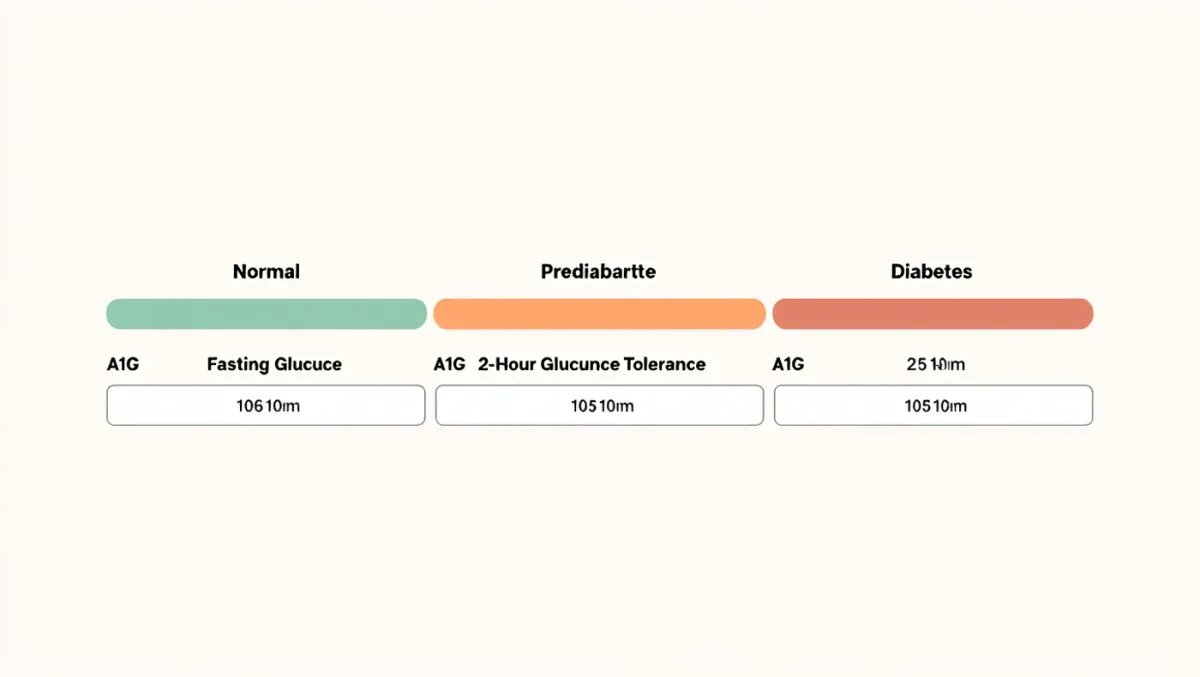
More than one in three US adults has prediabetes and most do not know it — screening now starts at 35, with three blood tests that define the thresholds.
No major US body recommends routine skin cancer screening for everyone — but regular self-checks and knowing the ABCDE rule catch most early melanomas.