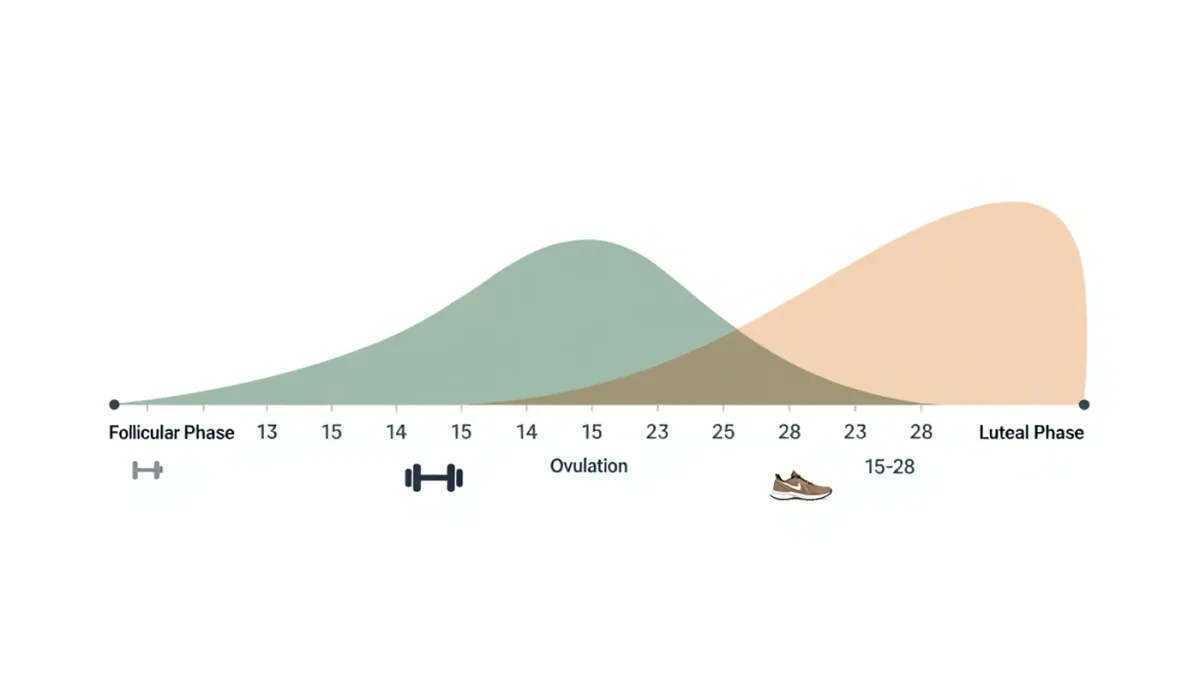
Fitness covers exercise for female bodies at every stage: resistance training and bone density, pelvic floor rehabilitation after birth, safe activity through pregnancy, and how capacity shifts across the cycle and into menopause. Programming advice is graded by evidence, and claims about hormone-timed workouts get examined instead of repeated.
Training for female bodies: resistance work and bone density, pelvic floor rehabilitation, exercise in pregnancy, adaptation through hormonal change.
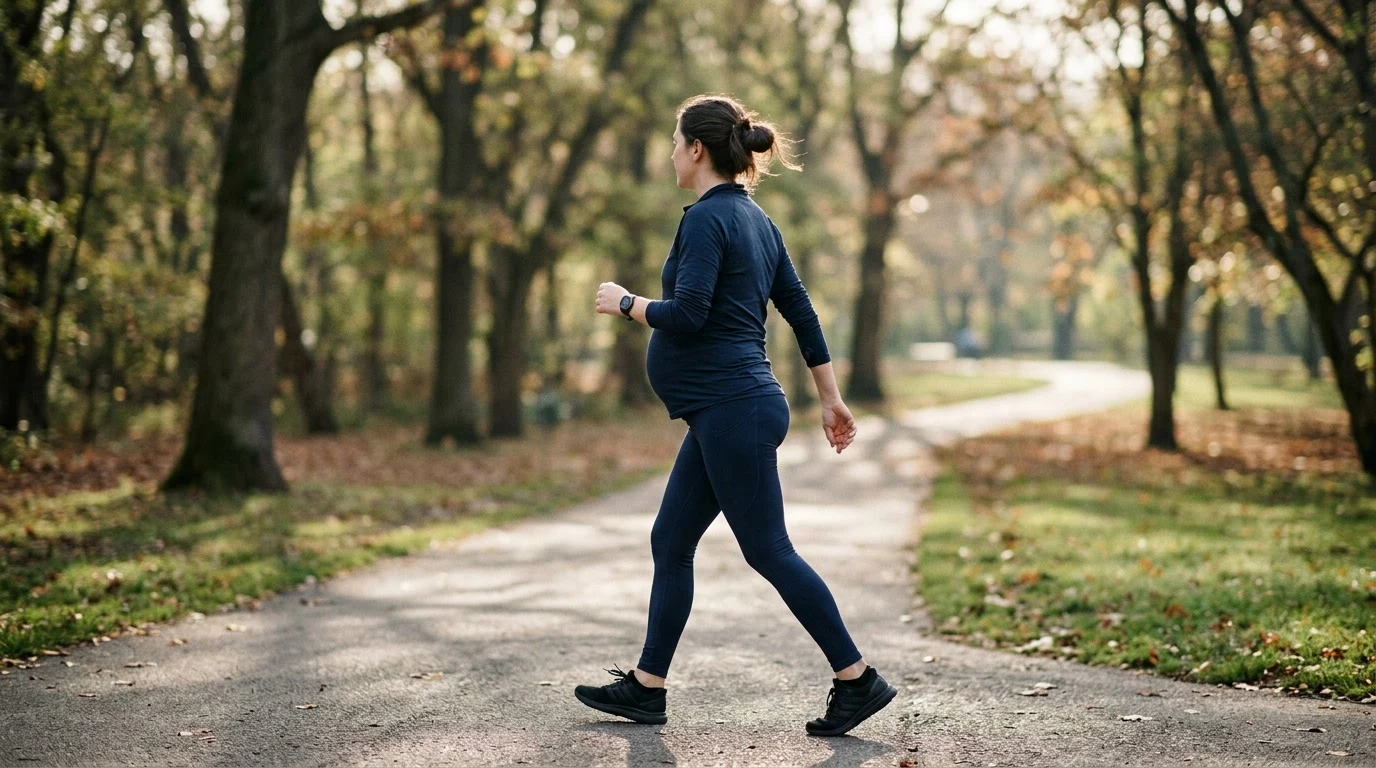
Federal and obstetric guidelines agree that moderate activity helps most pregnancies and most postpartum recoveries — here's what the recommendations actually say, by trimester and by how you gave birth.
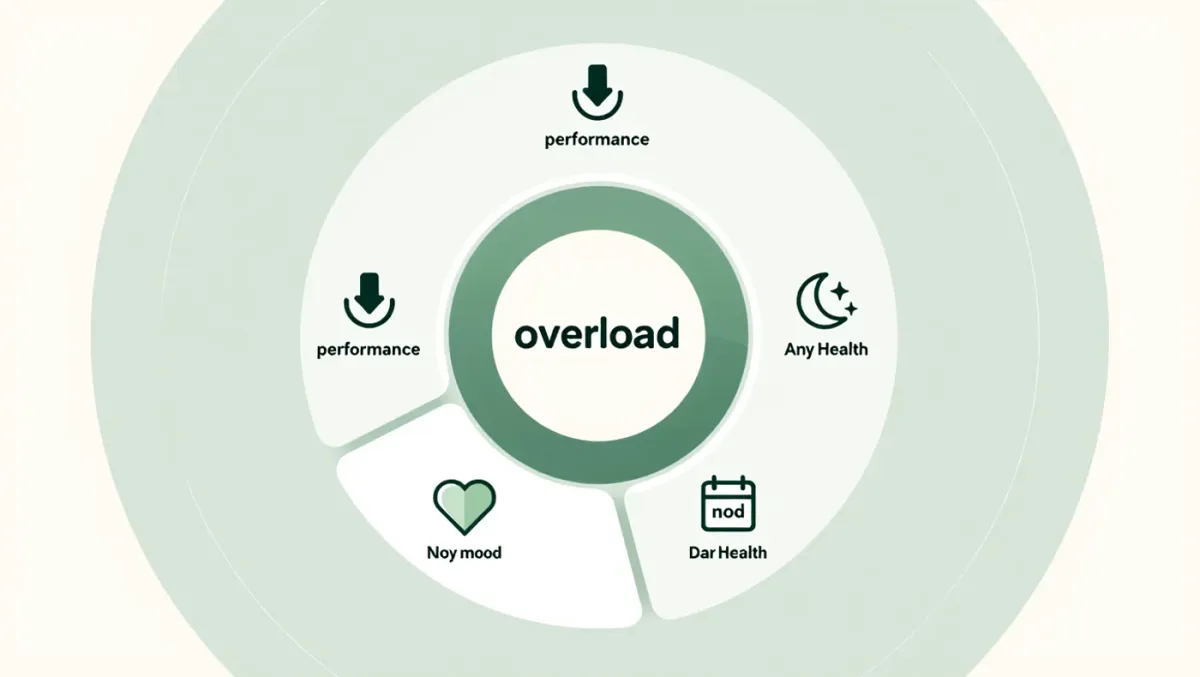
Falling performance despite harder work is the hallmark; in women, menstrual disruption and bone stress injuries can be the earliest measurable signals.
Flexibility work earns its place in guidelines two to three days a week — but it does not prevent injuries, and long static holds before lifting can blunt strength.
The official RDA is 0.8 grams per kilogram per day, but sports-nutrition bodies attribute higher intakes — roughly 1.2 to 2.0 g/kg — to people who train.
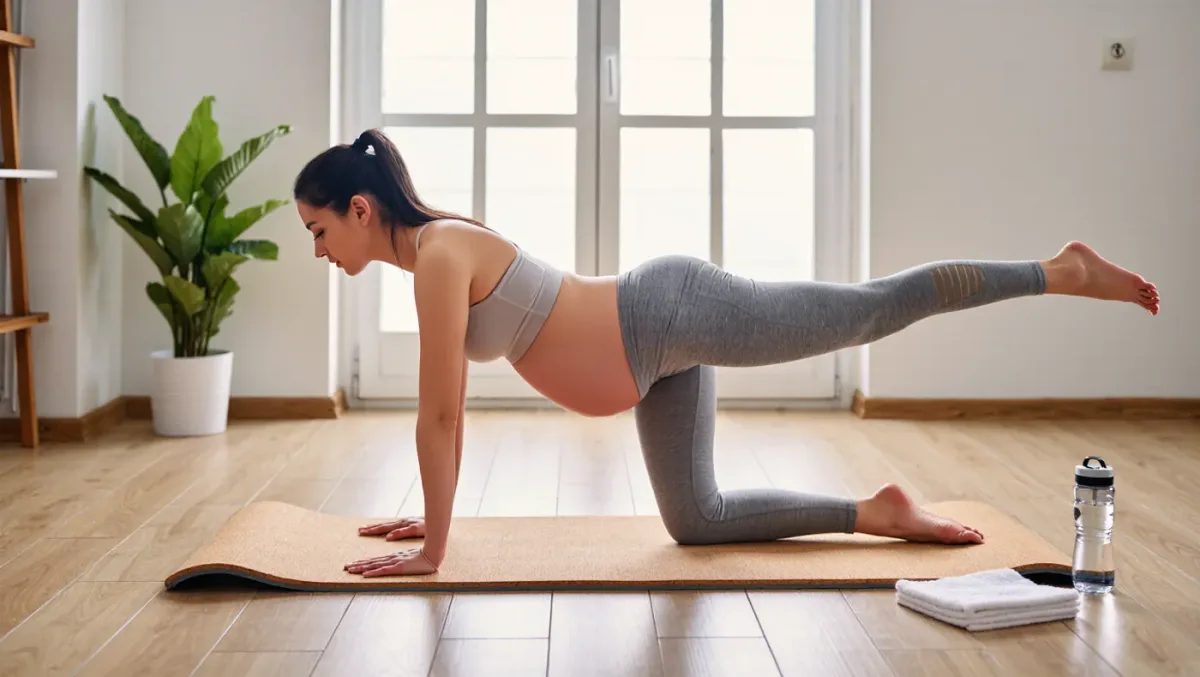
Per ACOG, moderate exercise in pregnancy is encouraged for most people — and core work is about breath, posture, and the pelvic floor more than crunches.