Wellbeing treats mental health as clinical territory rather than mood management. Coverage runs across sleep, anxiety, depression, burnout and the bodily symptoms that follow prolonged stress, with plain accounts of what talking therapy, medication and behavioral change can each deliver. For anyone deciding what kind of help to look for next.
Mental health treated as health. What therapy and medication each achieve, how sleep debt shows up physically, and which popular fixes lack any evidence.
Falling estrogen speeds up bone loss around menopause. Here is what the research says about the mechanism, which types of exercise actually slow it, and when a bone density screening makes sense.
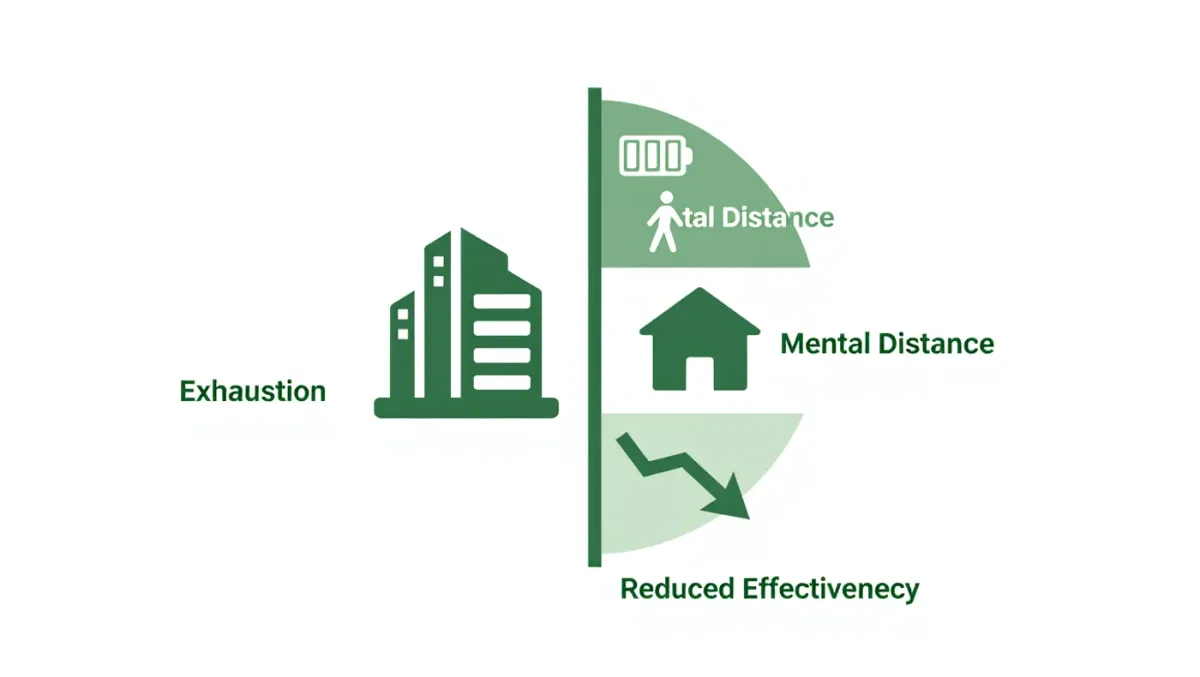
The WHO classifies burnout as an occupational phenomenon with three defining features — exhaustion, cynicism, and reduced effectiveness — not a medical condition, and it is managed at work, not only in the mind.
US guidance says up to one drink a day for women — and since 2023, the WHO's position is that no amount of alcohol is safe for health, with breast cancer the clearest female-specific risk.
Loneliness raises the risk of early death by 26 percent in pooled analyses — comparable to established behavioral risk factors — and women report it at higher rates in most surveys.
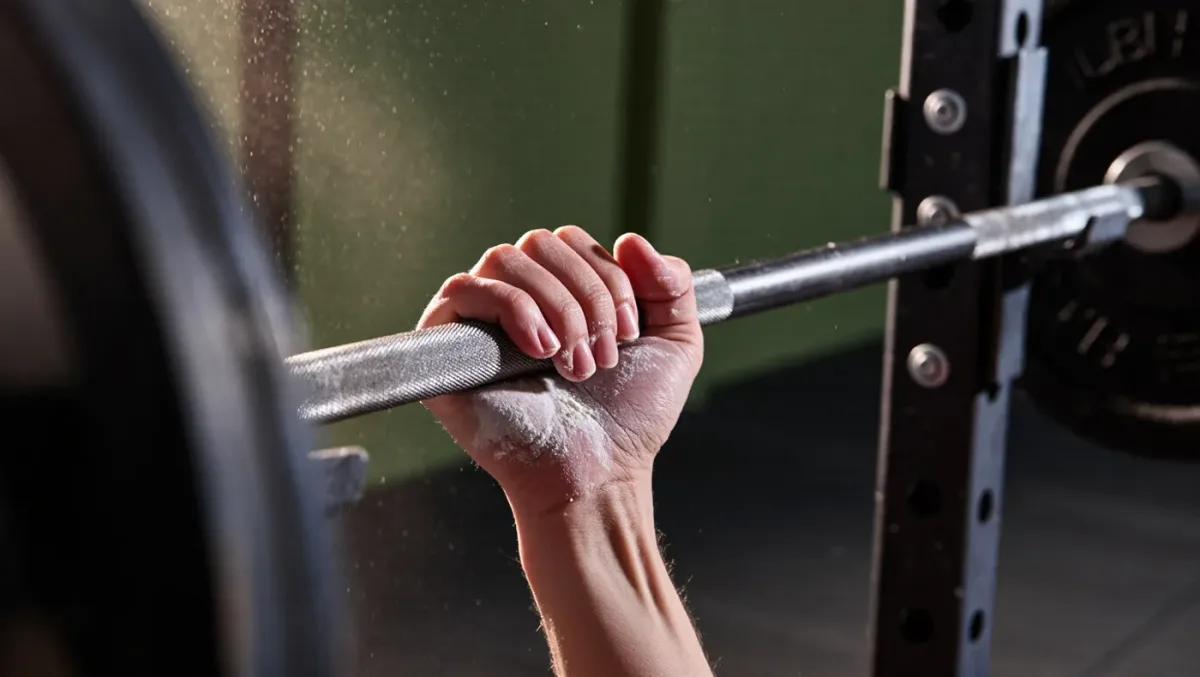
As little as 30 to 60 minutes of muscle-strengthening exercise a week is linked to meaningfully lower risks of early death, heart disease, cancer, and diabetes in women.
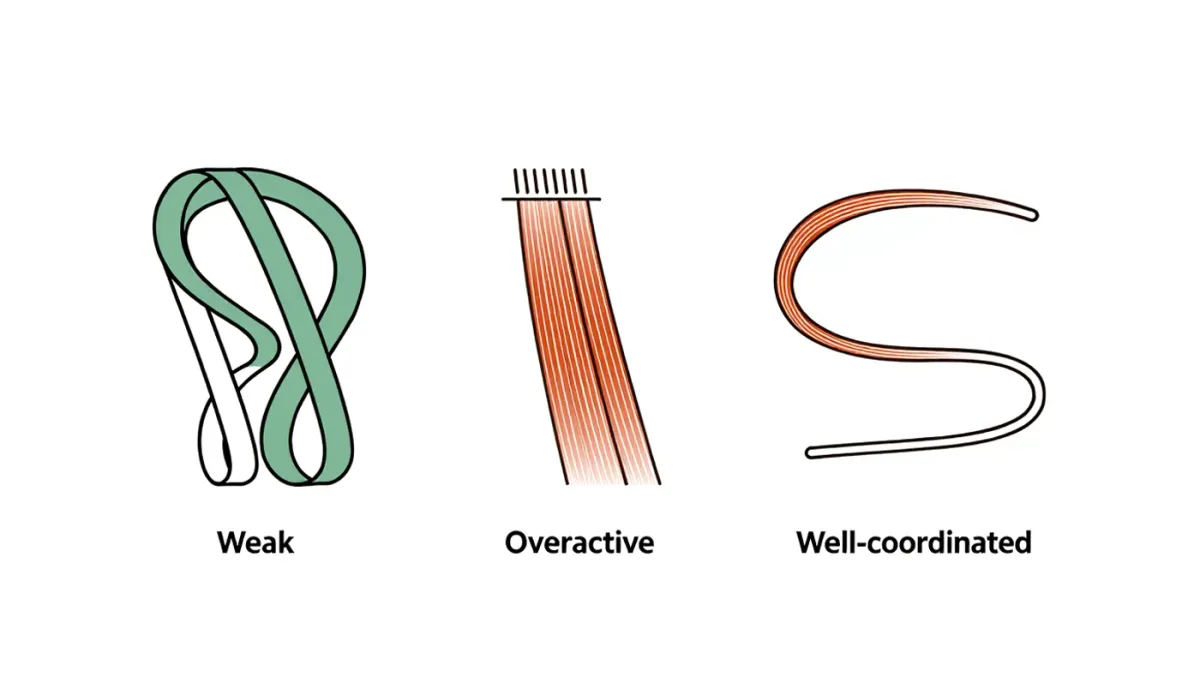
Nearly one in four US women lives with a pelvic floor disorder, and Kegels are neither always the answer nor always safe — pelvic floor physical therapy treats the whole system.
The cognitive labor of running a household — planning, tracking, remembering — falls unevenly, and research is beginning to measure what women have long described.
For most healthy adults, moderate caffeine is fine at up to 400 mg a day — but the thresholds shift in pregnancy, and the timing matters more than most people think.
Probiotics have solid evidence for a few specific uses, mixed evidence for others, and almost none for the vague promise of general 'gut health' on the label.
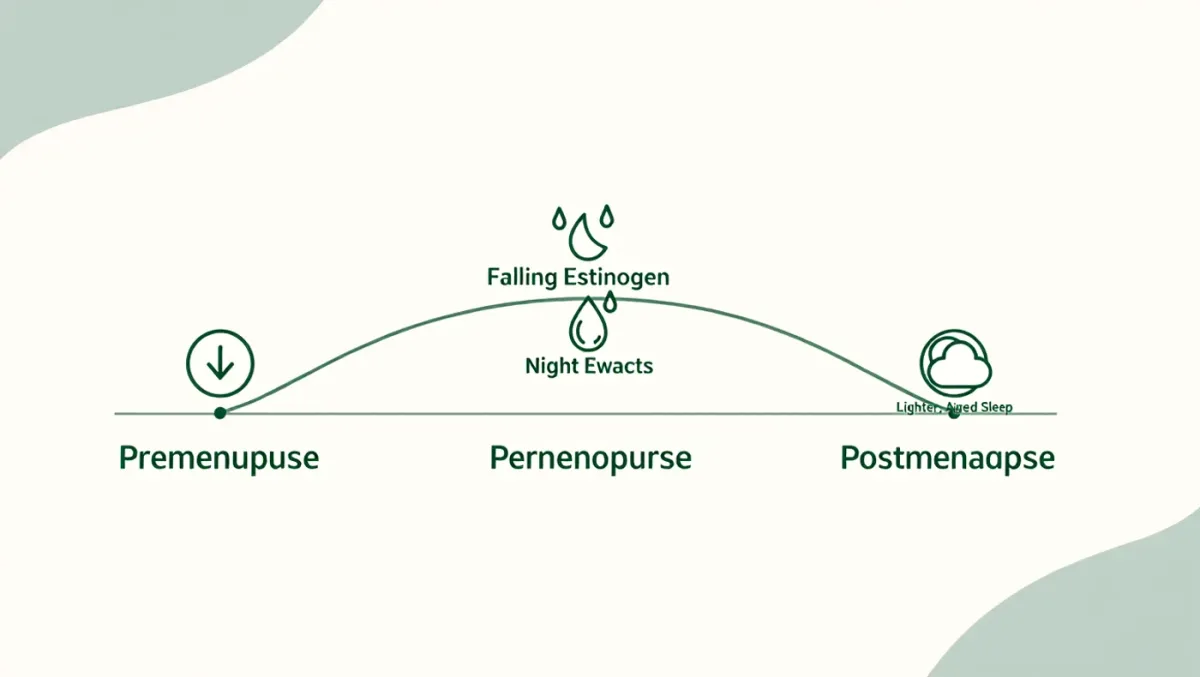
Hormone shifts, hot flashes, and aging sleep architecture all conspire during the menopause transition — and several approaches have real evidence behind them.