
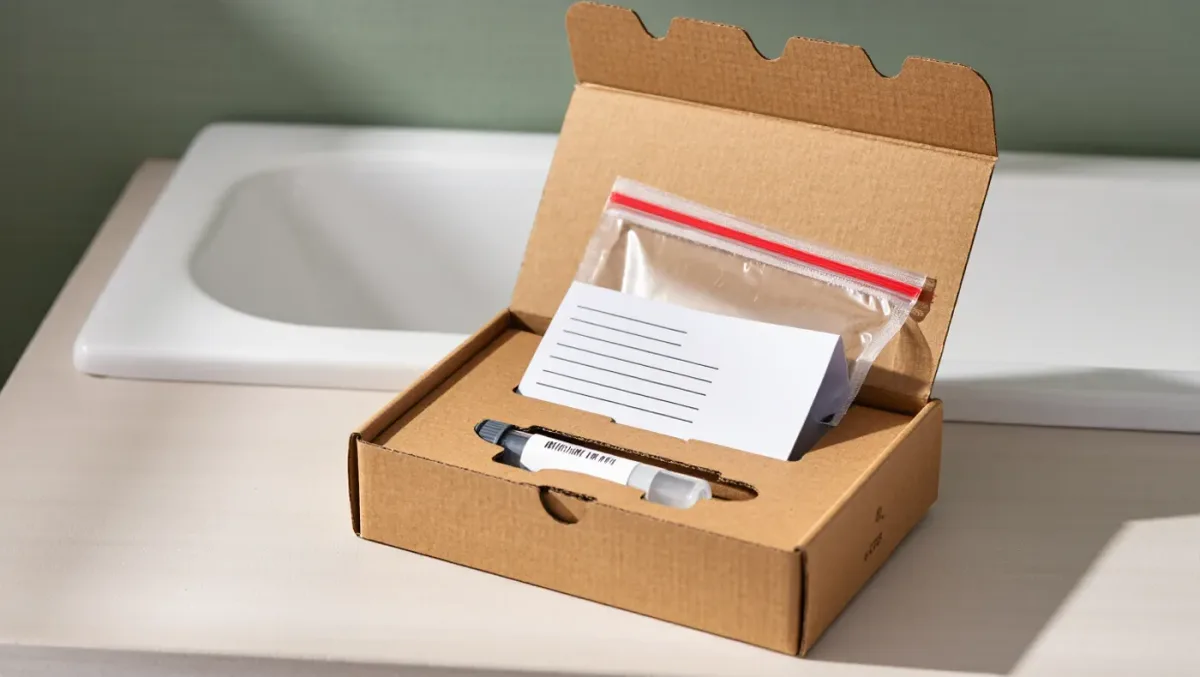
Screening for colorectal cancer now begins at age 45 for adults at average risk, not 50. The US Preventive Services Task Force made the change final in 2021, recommending screening for all adults ages 45 to 75, and the American Cancer Society had already moved its recommended start to 45 in 2018. Screening can be a colonoscopy every ten years or one of several at-home stool tests at shorter intervals — the right choice depends on your preferences, access, and risk, and every option on the guideline list reduces deaths from this cancer.
Colorectal cancer is cancer of the colon or rectum, and it is the third most common cancer diagnosed in US women apart from skin cancer, per American Cancer Society estimates published in 2025. This article compares the approved screening tests, explains why the starting age moved, and notes where guidelines differ. It publishes information, not medical advice — test choice is a decision to make with your own clinician.
Why did the starting age drop to 45?
Because the disease is shifting younger. Per the American Cancer Society's Cancer Statistics reports, colorectal cancer diagnoses in adults under 55 roughly doubled in proportion over two decades — from 11 percent of cases in 1995 to about 20 percent in 2019 — and incidence in that age group has risen by around 1 to 2 percent per year since the mid-1990s. The USPSTF's 2021 modeling found that starting at 45 adds meaningful life-years gained at a reasonable cost in colonoscopies, which is why both the Task Force (grade B for ages 45 to 49) and ACS converge on 45 for average-risk adults. People with a family history qualify for an earlier start, described below.
What tests are available, and how do they differ?
Guideline bodies endorse two broad strategies: tests that look at the colon directly (colonoscopy, flexible sigmoidoscopy, CT colonography) and stool tests that look for blood or altered DNA shed by polyps and cancers. The key structural difference is that a colonoscopy both detects and removes polyps in one procedure, while stool tests must be repeated on schedule and are followed by colonoscopy if abnormal. Per the USPSTF's 2021 review, no single recommended strategy has been shown superior in effectiveness — adherence to any of them beats choosing none.
| Test (per USPSTF 2021 / ACS 2018) | Interval | Preparation | If abnormal |
|---|---|---|---|
| Colonoscopy | Every 10 years | Bowel prep the day before; sedation | Polyps removed during the procedure itself |
| FIT (fecal immunochemical test) | Every year | At-home stool sample; no prep or diet change | Follow-up colonoscopy |
| gFOBT (guaiac stool test) | Every year | At-home samples; some food and drug restrictions | Follow-up colonoscopy |
| sDNA-FIT (stool DNA test) | Every 1 to 3 years | At-home kit, larger sample | Follow-up colonoscopy |
| CT colonography (virtual colonoscopy) | Every 5 years | Bowel prep, no sedation | Follow-up colonoscopy |
| Flexible sigmoidoscopy | Every 5 years (10 if combined with annual FIT) | Prep; examines lower colon only | Follow-up colonoscopy |
One number is worth remembering: per the USPSTF's evidence review, about 60 percent of the reduction in colorectal cancer deaths is attributable to screening reaching people at all — which is why clinicians emphasize that the best test is the one you will actually complete on schedule.
What happens during a colonoscopy?
A colonoscopy is a procedure in which a gastroenterologist passes a thin, flexible camera through the entire colon after the bowel has been cleared with a preparation drink the day before. Sedation keeps most people comfortable, the procedure itself takes roughly 20 to 45 minutes, and a driver is needed afterward. If the doctor finds a polyp — a small growth that, over years, can develop into cancer — it is typically removed on the spot with a wire loop or forceps. Findings can shorten the next interval: a large or numerous polyps usually mean returning in 3 to 5 years rather than 10, per surveillance guidance from the US Multi-Society Task Force on Colorectal Cancer (2020).
Related stories: Breast Screening: What the Guidelines Actually Recommend, Age by Age · Prediabetes and Diabetes Screening: What the Guidelines Say, and What the Numbers Mean.
How do the at-home stool tests work?
The FIT detects hidden blood in stool using antibodies specific to human hemoglobin, so it requires no dietary restrictions; you collect a small sample at home and mail it to a lab. The older guaiac FOBT detects blood chemically and does ask you to avoid red meat and certain vegetables beforehand. The stool DNA test (marketed in the US as sDNA-FIT) combines a FIT with analysis of DNA changes shed from polyps and cancers and is repeated every one to three years. Stool tests are good at finding cancers, somewhat less sensitive for polyps — a negative stool test never rules out a precancerous growth the way a completed, clean colonoscopy does, which is exactly why annual repetition matters.
What if colon cancer runs in your family?
Then the tables change. Per the American College of Gastroenterology's 2021 guideline, people with a first-degree relative (parent, sibling, or child) diagnosed with colorectal cancer or an advanced polyp should begin screening at age 40, or 10 years before the youngest diagnosis in the family — whichever comes first — and screening is generally colonoscopy-based. Inflammatory bowel disease, certain inherited syndromes such as Lynch syndrome, and prior radiation to the abdomen also move you off the average-risk schedule. Tell the scheduling office about your family history when you book; it changes the plan.
How often should I be screened after 75?
Here the guidelines are deliberately softer. The USPSTF gives a selective recommendation (grade C) for ages 76 to 85, meaning the decision depends on overall health, prior screening history, and preferences; the ACS advises continuing through 85 while in good health with a life expectancy of at least 10 years. Someone screened regularly with clear results into their mid-70s has gained most of what screening can offer; someone never screened at 78 with good health may still benefit. This is individual judgment territory, not a checkbox.
What are the risks of screening itself?
They are real but small, and they are part of an honest comparison. Colonoscopy carries a low risk of bleeding or perforation — serious complications occur in well under 1 percent of procedures, per USPSTF review estimates — along with the burdens of prep and sedation. Stool tests have essentially no direct physical risk, but produce false positives leading to colonoscopies that find nothing, and false negatives. CT colonography involves radiation exposure and may also find incidental findings outside the colon that trigger further workup. None of these trade-offs erases the benefit; they simply shape which test suits whom.
When to talk to a clinician
Contact a clinician promptly — outside of any screening schedule — for rectal bleeding, a persistent change in bowel habits lasting more than a few weeks, unexplained iron-deficiency anemia, ongoing abdominal pain, or unintended weight loss. These symptoms are usually caused by conditions other than cancer, but they are evaluated diagnostically, not by routine screening. Otherwise, if you turn 45 this year, are 45 or older and have never been screened, or have a first-degree relative with colorectal cancer or advanced polyps, it is time to discuss which test and which schedule applies to you.
Frequently asked questions
Is the stool DNA test as good as a colonoscopy?
No single test is 'as good' in every sense. Per USPSTF data, sDNA-FIT detects about 92 percent of colorectal cancers and a smaller share of large precancerous polyps, while colonoscopy examines the whole colon and removes polyps immediately. The stool test's appeal is convenience and no prep; its requirement is discipline about repetition and following up an abnormal result with colonoscopy.
I did a FIT test last year and it was normal. Am I covered for a while?
No — FIT is an annual test precisely because its sensitivity for polyps and early cancers fades quickly between screenings. Per guideline, a normal FIT covers you for one year only, and skipping years erodes most of the test's benefit. If annual repetition sounds unrealistic, a 10-year colonoscopy or a 5-year CT colonography may fit your life better.
Does insurance cover screening starting at 45?
Generally yes. Because the USPSTF recommendation for ages 45 to 75 carries an A or B grade, the Affordable Care Act's preventive-services coverage requirement generally applies, and screening at 45 is covered without cost-sharing under most plans, per the Task Force's 2021 recommendation. Specific test coverage — such as the stool DNA test — can still vary by plan, so worth confirming before ordering.