
Women are five to eight times more likely than men to develop a thyroid disorder, per the American Thyroid Association, and about one in eight women in the United States will experience a thyroid problem at some point in her life. The imbalance is real and well documented — it stems from a higher rate of autoimmune thyroid disease in women, plus hormonal triggers around pregnancy, postpartum, and menopause.
This site publishes information, not medical advice. Here we explain what the thyroid does, why women's risk is elevated, and how testing works, so you can recognize the pattern and discuss it with your own clinician. Diagnosis and treatment decisions belong with a clinician who can examine your results in context.
What does the thyroid actually do?
The thyroid is a butterfly-shaped gland at the base of the neck that produces hormones — mainly thyroxine, known as T4 — that set the metabolic pace for nearly every organ, including the heart, brain, gut, and ovaries. The pituitary gland in the brain regulates it with thyroid-stimulating hormone, or TSH, which rises when the thyroid underperforms and falls when it overproduces. When output drops, the condition is hypothyroidism; when it surges, hyperthyroidism. Both are common, both are treatable, and both disproportionately affect women.
Which thyroid conditions affect women most?
Autoimmune disease accounts for the bulk of the gap. Hashimoto's thyroiditis — an autoimmune condition in which the immune system gradually attacks the thyroid, the most common cause of hypothyroidism in the United States per the American Thyroid Association — is diagnosed several times more often in women than men. Graves' disease, the autoimmune condition that drives most hyperthyroidism, also favors women, with the ATA noting women represent the large majority of cases. Postpartum thyroiditis — a temporary thyroid inflammation in the year after childbirth — affects roughly 5 percent of women without prior thyroid disease, per ATA figures, and can briefly run through both hyper- and hypothyroid phases.
| Condition | Typical direction | Common features in women |
|---|---|---|
| Hashimoto's thyroiditis | Hypothyroid | Fatigue, cold intolerance, weight gain, heavy or irregular periods |
| Graves' disease | Hyperthyroid | Racing heart, tremor, weight loss, anxiety, lighter periods |
| Postpartum thyroiditis | Either, often transient | Within 12 months of delivery; may resolve or progress to permanent hypothyroidism |
| Subclinical hypothyroidism | Mild hypothyroid | Elevated TSH with normal thyroid hormones; often monitored rather than treated |
Why does the female body carry more of this risk?
Researchers point to three overlapping mechanisms. First, autoimmunity in general favors women — as discussed in the companion topic of autoimmune disease, the X chromosome's gene dose and estrogen's immune effects help explain why roughly 80 percent of autoimmune patients are women, per NIH figures, and the thyroid is a frequent target. Second, the thyroid and the reproductive axis talk to each other: thyroid hormones influence ovulation and menstrual cycles, and the hormonal shifts of pregnancy and the postpartum year place the gland under added demand — the thyroid must increase hormone production in pregnancy, per ATA and Endocrine Society guidance. Third, iodine status matters more at certain life stages, since pregnancy raises iodine requirements.
Genetics add to the load. Having a first-degree relative with Hashimoto's or Graves' disease raises risk substantially, per ATA patient materials, which is why family history is worth mentioning at any thyroid-related appointment.
What are the symptoms women most often notice?
Hypothyroidism tends to slow things: fatigue that sleep does not fix, feeling cold, dry skin, constipation, weight gain that resists effort, and — particularly relevant to this publication — heavier or more irregular periods and difficulty conceiving, since untreated hypothyroidism can disrupt ovulation, per ACOG guidance. Hyperthyroidism speeds them: palpitations, heat intolerance, unintended weight loss, tremor, anxiety, and lighter or absent periods. Because many of these symptoms overlap with perimenopause, anemia, or depression, thyroid testing is often what untangles the picture — a fact worth knowing if you are in your 40s and being treated for something that is not quite adding up.
Related stories: How hormones trigger migraines in women · How women's sleep differs from men's, and why it matters.
How is a thyroid problem diagnosed?
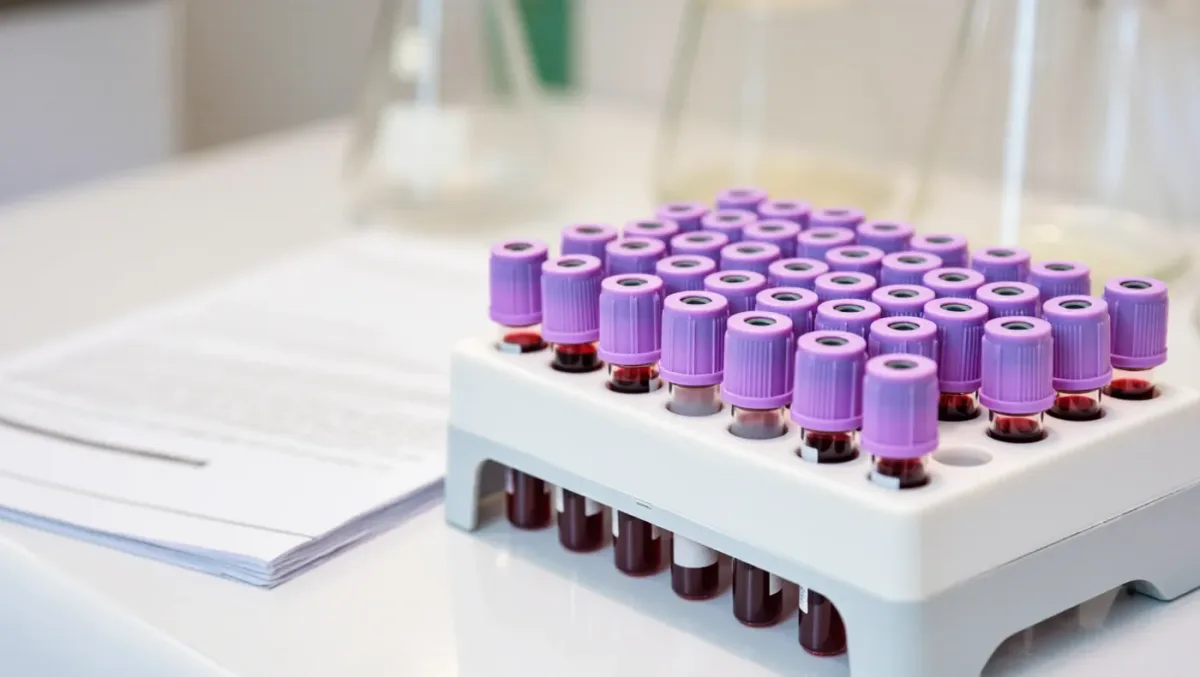
A single blood test does most of the work. The TSH test, which measures how hard the pituitary is pushing the thyroid, is the standard first step, followed by free T4 and, when autoimmunity is suspected, thyroid antibodies such as TPO antibodies, per NIH MedlinePlus. In primary hypothyroidism, TSH rises before other values move; in overt disease both TSH and hormone levels are clearly abnormal. Interpretation has nuances — subclinical results, pregnancy ranges, and intercurrent illness all change what a number means — which is why clinicians retest and trend results rather than acting on a single borderline value. Screening policy varies: the American Thyroid Association has suggested clinicians consider TSH testing from age 35 and every five years thereafter, while the USPSTF in 2015 found insufficient evidence to recommend routine screening in adults without symptoms. Either way, symptoms plus a family history justify a test at any age.
Can thyroid problems affect fertility and pregnancy?
Yes, which is a core reason the female-side burden matters. Untreated overt hypothyroidism is associated with irregular ovulation, lower conception rates, and higher risks of miscarriage and adverse pregnancy outcomes; ACOG's guidance supports treating overt hypothyroidism in pregnancy with levothyroxine. In pregnancy, thyroid hormone requirements rise, and per Endocrine Society guidance women on thyroid replacement typically need dose increases and monitoring in each trimester. Postpartum thyroiditis deserves its own watchfulness: a woman who has had one episode is likely to have it again in later pregnancies, and a share of those women progress to permanent hypothyroidism, per ATA figures.
When to talk to a clinician
Ask about thyroid testing if you have persistent unexplained fatigue, a noticeable change in weight, heart rate, or bowel habits, new hair shedding, or menstrual changes such as significantly heavier periods or cycles that stop without an obvious cause. Seek evaluation promptly during pregnancy or within a year of delivery if such symptoms appear, and sooner still if you notice a swelling at the base of your neck, a hoarse voice that persists, or — with hyperthyroid features — a racing or irregular heartbeat. Anyone being treated for hypothyroidism who becomes pregnant should arrange early monitoring rather than waiting for a routine check.
Frequently asked questions
Can thyroid problems cause heavy periods? Yes. Both untreated hypothyroidism and, less commonly, thyroid overactivity alter menstrual patterns; hypothyroidism in particular is associated with heavier, more frequent bleeding, and ACOG's heavy-menstrual-bleeding guidance lists thyroid disease among the causes clinicians should exclude. If your periods have changed in parallel with fatigue or cold intolerance, thyroid testing is a reasonable next step to discuss.
Do thyroid nodules mean cancer? Usually not. Thyroid nodules are very common — the American Thyroid Association estimates up to half of people have them by age 60 — and the large majority are benign. When a nodule is found, clinicians typically assess it with ultrasound and, where indicated, a fine-needle biopsy rather than assuming the worst. Most discovered nodules simply enter a monitoring routine.
Is hypothyroidism permanent once diagnosed? It depends on the cause. Hashimoto's thyroiditis generally produces lifelong hypothyroidism managed with daily replacement, while some cases — postpartum thyroiditis, subclinical elevations after illness or certain medications — can normalize. Per NIH MedlinePlus, clinicians often retest before committing someone to permanent treatment, especially when the initial elevation was mild.
Can I have normal TSH and still have thyroid disease? Borderline situations exist, and interpretation depends on context — pregnancy, pituitary problems, and certain medications can shift results. If symptoms persist despite a normal TSH, the productive step is a documented conversation with your clinician about retesting, additional thyroid antibodies, and other explanations, rather than self-prescribing thyroid hormone, which carries real cardiac and bone risks when it is not needed.
Does iodine supplementation help if my thyroid is underactive? Only if you are iodine deficient, which is uncommon in the United States because of iodized salt, per NIH. In iodine-replete people, extra iodine does not treat hypothyroidism and can even worsen thyroid dysfunction, including Hashimoto's. The reliable route is testing, a diagnosis, and treatment matched to the cause.