
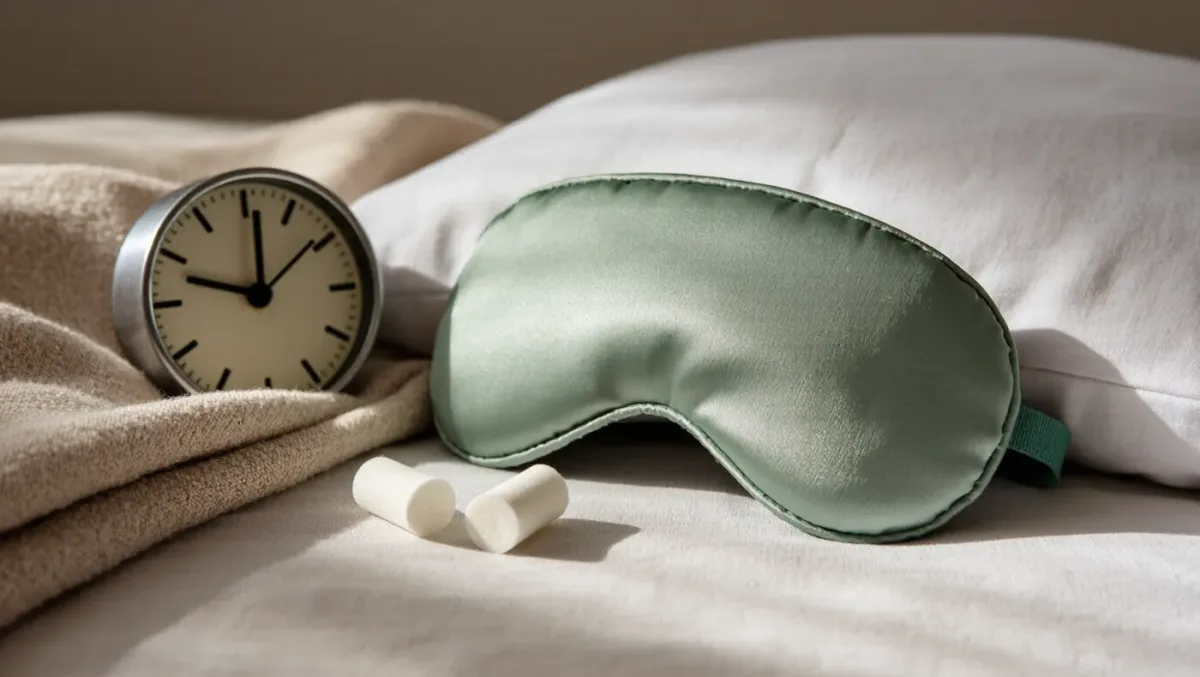
Women's sleep differs from men's in measurable ways: a 2006 meta-analysis by Zhang and Wing in the journal Sleep found women are roughly 1.4 times more likely than men to have insomnia, and CDC survey data show women consistently report more trouble falling asleep and staying asleep than men do. The difference is tied to hormonal shifts across the reproductive lifespan, plus a higher burden of conditions such as restless legs syndrome that fragment rest.
This site publishes information, not medical advice. Below is what the research documents about women's sleep across life stages, and where to take a persistent problem — your own clinician, who can screen for the specific sleep disorders that respond well to treatment.
Do women really sleep differently from men?
Yes, and the differences show up in surveys and in sleep-lab recordings alike. Beyond the higher insomnia rate found by Zhang and Wing's 2006 meta-analysis in Sleep, CDC's National Health Interview Survey has repeatedly found women more likely than men to report difficulty falling asleep four or more times a week and to average shorter sleep on workdays. Polysomnography studies summarized by NIH sleep researchers show women tend to have more slow-wave deep sleep before midlife and fall asleep somewhat faster, yet still report worse sleep quality — a reminder that subjective sleep trouble and lab numbers do not always move together. Circadian research also suggests women's body-clock timing runs slightly earlier on average, which is one proposed reason women report feeling sleepier earlier in the evening.
How do hormones shape sleep across life stages?
Hormones act on sleep through body temperature, mood, and breathing stability, and their influence is visible at each stage. During the premenstrual phase, rising and then falling progesterone and its calming byproducts can worsen sleep for some women, and per NIH materials premenstrual symptoms commonly include disturbed sleep. Pregnancy brings fragmented sleep from the first trimester onward — hormonal change, nausea, fetal movement, and later the mechanical load on the bladder and lungs. Perimenopause is often the roughest stretch: in the Study of Women's Health Across the Nation (SWAN), an NIH-supported cohort, sleep complaints rose steadily through the menopausal transition, with vasomotor symptoms — hot flashes and night sweats — the best-documented disruptor. After menopause, sleep apnea risk rises and stops being rare in women.
| Life stage | What changes | Sleep pattern typically reported |
|---|---|---|
| Reproductive years | Cyclical progesterone swings; premenstrual window | Slightly more insomnia than men; premenstrual sleep disturbance |
| Pregnancy | Rising hormones, bladder load, reflux, fetal movement | Fragmented, lighter sleep, worst in the third trimester |
| Perimenopause | Volatile estrogen; hot flashes and night sweats | Frequent night waking; highest insomnia burden (SWAN cohort) |
| Post-menopause | Low stable estrogen; rising age-related apnea risk | More sleep apnea; earlier circadian timing |
| Older age | Less deep sleep with age in both sexes | Lighter, more fragile sleep |
Why does sleep apnea look different in women?
Obstructive sleep apnea — repeated pauses in breathing during sleep when the airway collapses — is underdiagnosed in women, per the American Academy of Sleep Medicine and NIH reviewers. Women's apnea often produces different symptoms: fatigue, insomnia, morning headaches, and low mood rather than the loud snoring and witnessed pauses classically reported by men, and diagnostic criteria historically weighted toward the male presentation. Estrogen and progesterone appear to protect airway muscle tone, which helps explain why risk climbs after menopause. Untreated apnea raises blood pressure, cardiovascular risk, and daytime accident risk, per the NIH National Heart, Lung, and Blood Institute, which is why persistent snoring, gasping, or non-restorative sleep deserves a formal evaluation at any age.
Related stories: Why thyroid disorders are so much more common in women · Why urinary tract infections keep coming back for so many women.
Which other sleep problems are more common in women?
Restless legs syndrome — an uncomfortable urge to move the legs that worsens in the evening and interferes with falling asleep — is roughly twice as common in women, per NIH reviewers, with pregnancy and low iron among the known aggravators. Insomnia disorder — difficulty falling or staying asleep at least three nights a week for three months or more with daytime impairment — is the most common of all, and the female excess documented by Zhang and Wing persists across adulthood. Iron deficiency, thyroid dysfunction, depression, and anxiety all contribute to poor sleep in women more often than in men, which is one more reason the first evaluation should look beyond bedtime habits.
What actually helps, according to evidence?
For chronic insomnia, the American College of Physicians' 2016 clinical guideline in Annals of Internal Medicine names cognitive behavioral therapy for insomnia (CBT-I) — a structured program rebuilding sleep timing, sleep drive, and the anxious relationship with the bed — as the first-line treatment for all adults, with medication reserved for cases where CBT-I alone is insufficient. Per AASM reviews, CBT-I improves sleep in most patients and its effects outlast those of sleeping pills. For menopausal night sweats, treating the vasomotor symptoms themselves — with options a clinician can lay out, from hormonal to non-hormonal — is documented to improve sleep in the SWAN-era literature. For suspected apnea, home sleep testing followed by appropriate therapy is the standard route per NHLBI. Sleep hygiene advice — regular schedule, dark cool room, caffeine cut-off — supports all of this but, per the ACP guideline, is not a treatment for established chronic insomnia on its own.
When to talk to a clinician
Arrange an evaluation if sleep trouble has lasted more than about three months and is affecting daytime function, if you snore loudly, wake gasping, or feel unrefreshed despite enough hours in bed, if you cannot keep your legs still at bedtime, or if sleep problems worsen alongside low mood or anxiety. Mention pregnancy or perimenopause explicitly when relevant — both change which treatments are appropriate, and both are phases in which women's complaints are disproportionately under-treated. Sleep that is consistently poor is a medical topic, not a personal failing.
Frequently asked questions
Do women need more sleep than men? There is no authoritative evidence that women's sleep need differs substantially; official guidance from the American Academy of Sleep Medicine and the Sleep Research Society recommends seven or more hours for all adults. What the research does support is that women are more likely to sleep poorly — higher insomnia rates per the 2006 meta-analysis in Sleep, plus pregnancy, perimenopausal symptoms, and caregiving burdens that shorten sleep in practice. Quality and regularity matter at least as much as the raw number.
Why is my sleep worse right before my period? The late luteal phase combines a progesterone withdrawal with a rise in core body temperature and, for some women, premenstrual mood symptoms — all of which fragment sleep, per NIH materials on premenstrual syndrome. Tracking sleep against your cycle for two or three months clarifies whether the pattern is menstrual. If disturbance is severe and cyclical, a clinician can consider whether premenstrual dysphoric disorder is part of the picture.
Are sleeping pills a reasonable long-term fix? For chronic insomnia, guidelines place them second. The American College of Physicians' 2016 guideline in Annals of Internal Medicine recommends CBT-I first, noting that medications carry dependence, next-day impairment, and fall risks that grow with age, and that CBT-I's benefits persist after the program ends. Whether any medication makes sense — and for how long — is a decision to make with a clinician who knows your other medications and health conditions.
When should I be tested for sleep apnea? Consider it if you snore regularly, wake gasping, have morning headaches, or feel exhausted despite adequate time in bed — especially after menopause, when apnea risk rises sharply in women, per the American Academy of Sleep Medicine. Mention that your symptoms differ from the classic loud male snoring pattern if they do; testing criteria have been evolving to catch the female presentation, and home sleep tests have made the process far simpler than it once was.